Where eRotor
is installed.
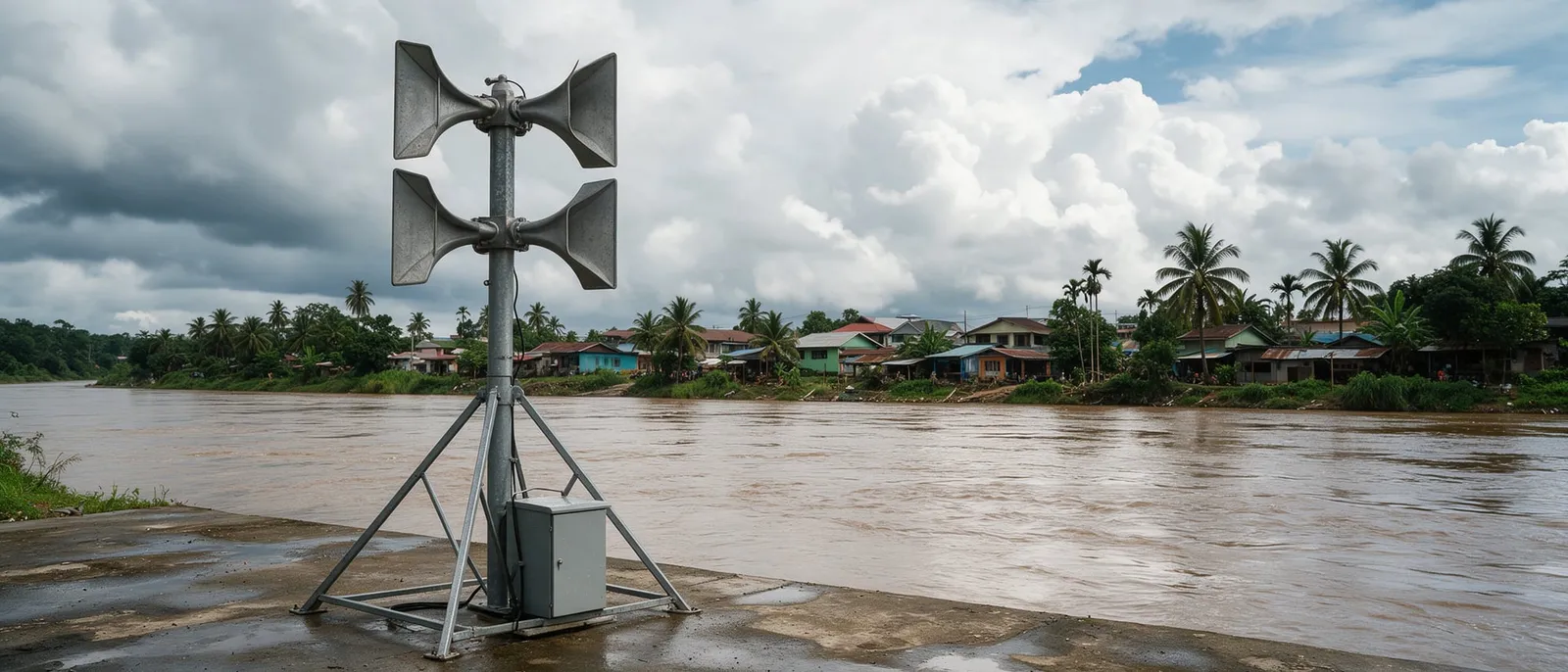
Tausec supplies eRotor through local partners in several countries, mostly outside the EU. The largest deployment is a government flood-warning project in Malaysia with about 250 sirens triggered by water-level sensors; the project is ongoing.
≈250 sirens
in one government flood-warning project in Malaysia, ongoing.
Since 2007
electronic sirens developed and built in the EU.
4 applications
natural disasters, civil protection, industrial accidents and urban warning.

≈250 sirens against
floods in Malaysia.
A government flood-protection project; the project is ongoing. Water-level sensors trigger the sirens through the binary input, and the partner’s system decides which sirens sound. The sirens have already warned people in the area and helped with evacuations.
≈250
eRotor sirens in one government project
Application
Flood warning
Client
Government flood-protection project
Triggering
Water-level sensors via binary input
Status
Ongoing
Result
Sirens have helped with evacuations
Three questions.
Three facts.
Is it certified? Can they build it? Has anyone deployed it?
Is it certified?
CE
eRotor is CE certified; certification for a specific country is handled by the local partner. The measured configurations are on the eRotor page.
Datasheet · partner certificationCan they build it?
Since 2007
Amplifiers, control unit and power supplies are Tausec’s own design, built in the EU; the cast aluminium horns come from an EU foundry. CE certified.
Own development and productionHas anyone deployed it?
≈250 sirens
A government flood-protection project in Malaysia, ongoing, triggered by water-level sensors. The sirens have already helped with evacuations.
Malaysia · government project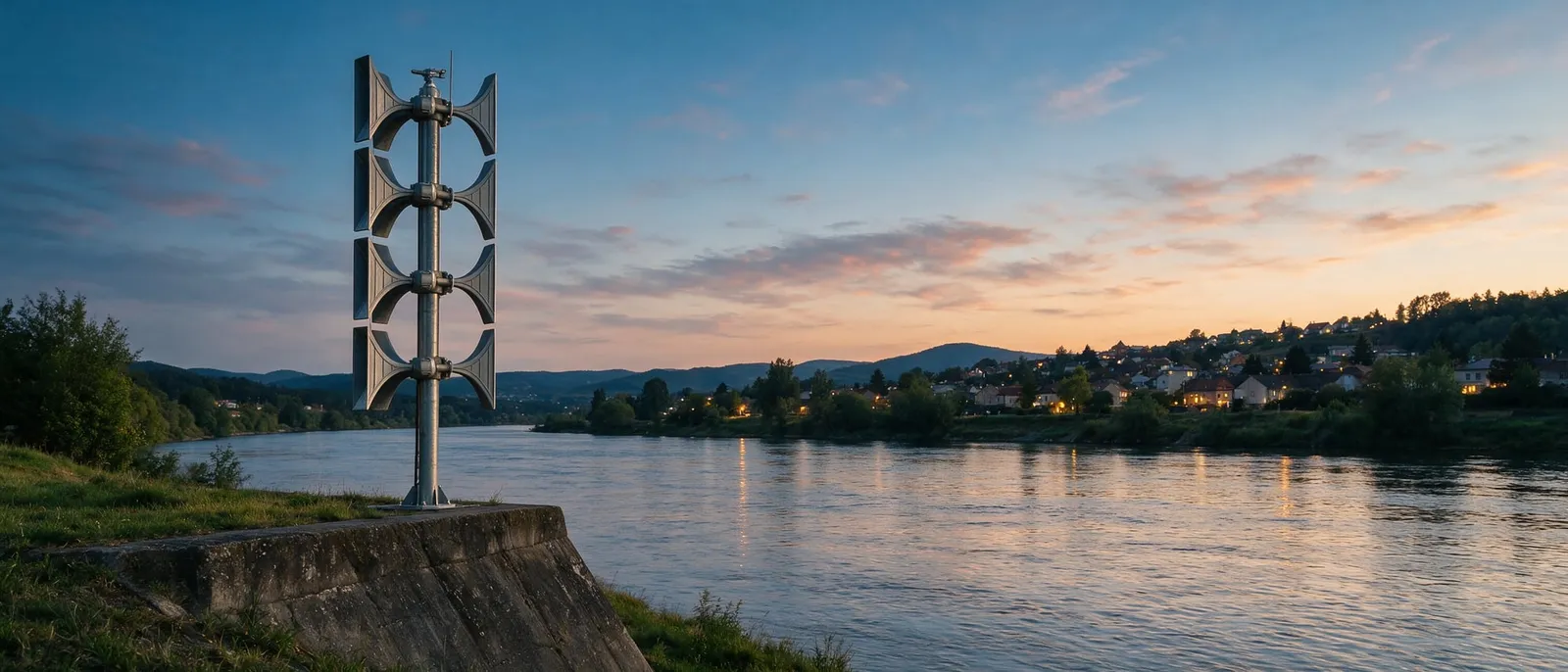
Through local partners,
mostly outside the EU.
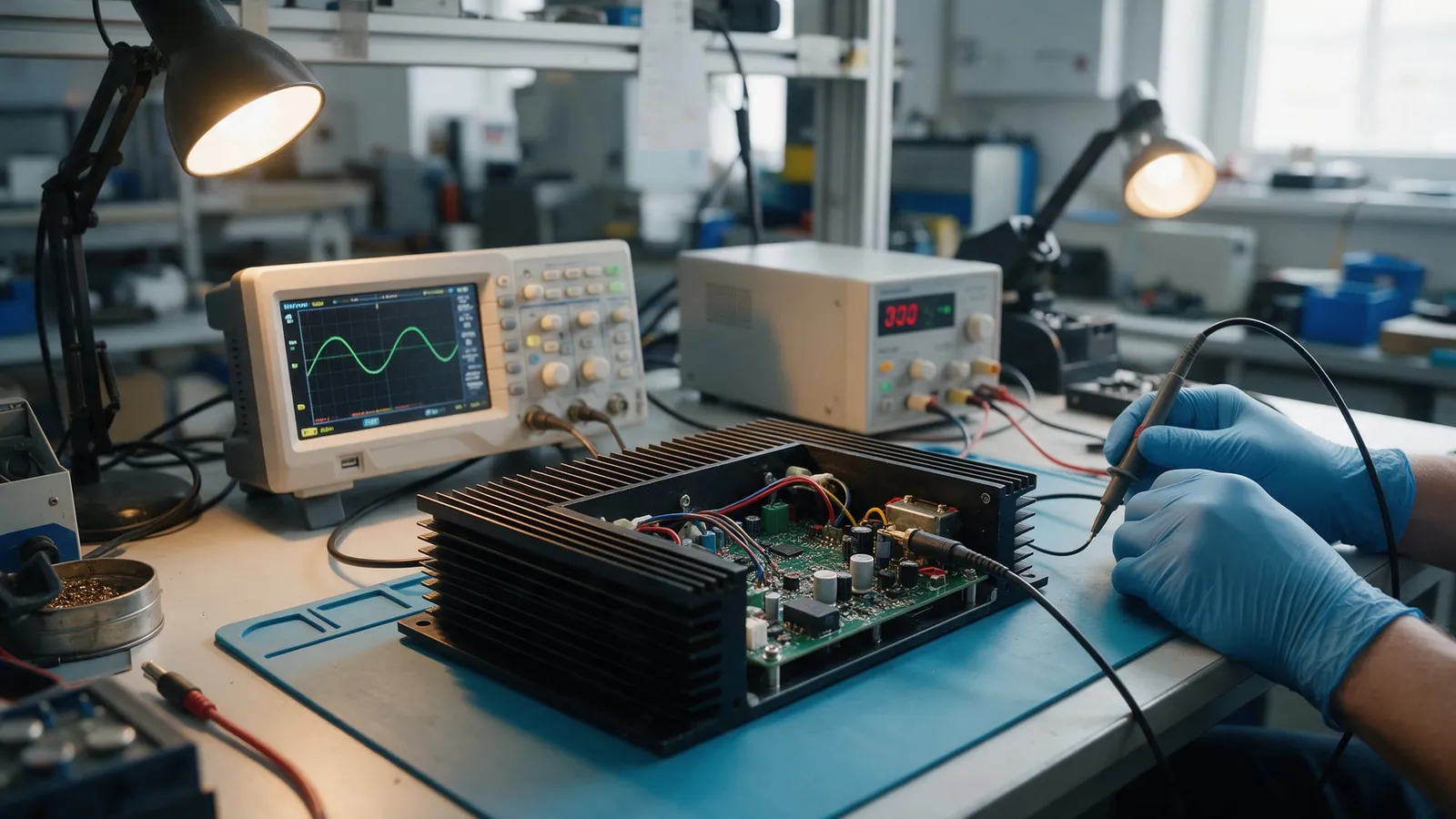
Electronics by Tausec.
Horns from an EU foundry.
The parts that decide how the siren sounds and how long it lasts are made in-house or cast in the EU. Drivers and standard components are sourced outside the EU.
Where each part comes from
Amplifiers, control unit, power supplies
Designed and built by Tausec in the European Union.
Aluminium horns
Cast in the EU from an alloy that does not rust or degrade.
Drivers and standard components
Pressure drivers and common electronic components are sourced outside the EU.
Assembly and configuration
Complete sirens are assembled and configured by Tausec before shipping; partners can assemble from modules locally.
Certification
CE by Tausec; certification required by national rules is arranged by the local partner.
Made by Tausec
- Class B amplifiers
- Control unit
- Power supplies
- Configuration software
Made for Tausec
- Cast aluminium horns (EU foundry)
- Pressure drivers
- Batteries
- Standard components
Where eRotor is used.
Governments, civil protection agencies, industrial operators and defence forces, always through a local integrator. The applications fall into four groups.
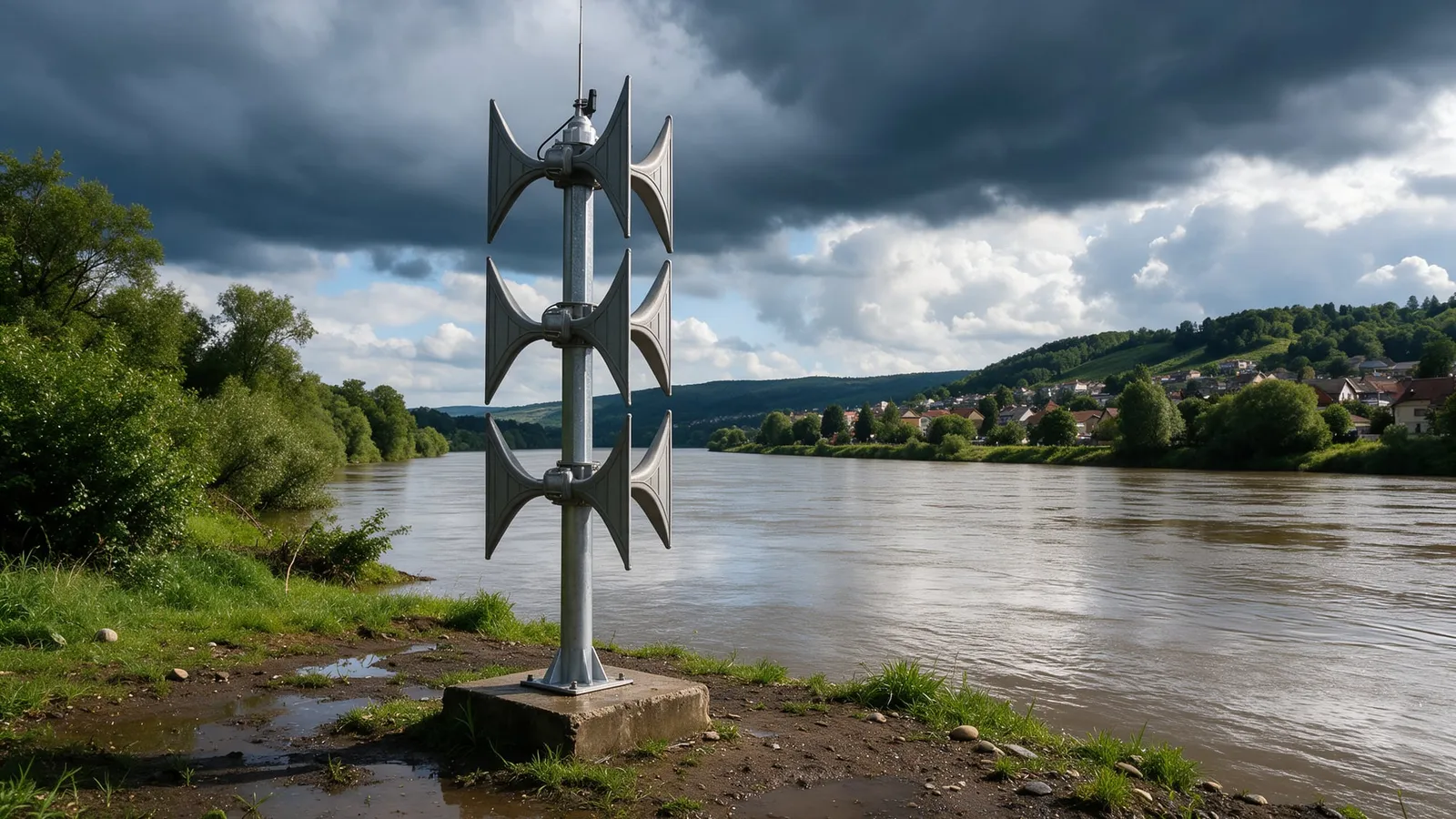
Flood warning
Sirens along rivers triggered by water-level sensors through the binary input — the Malaysian project.
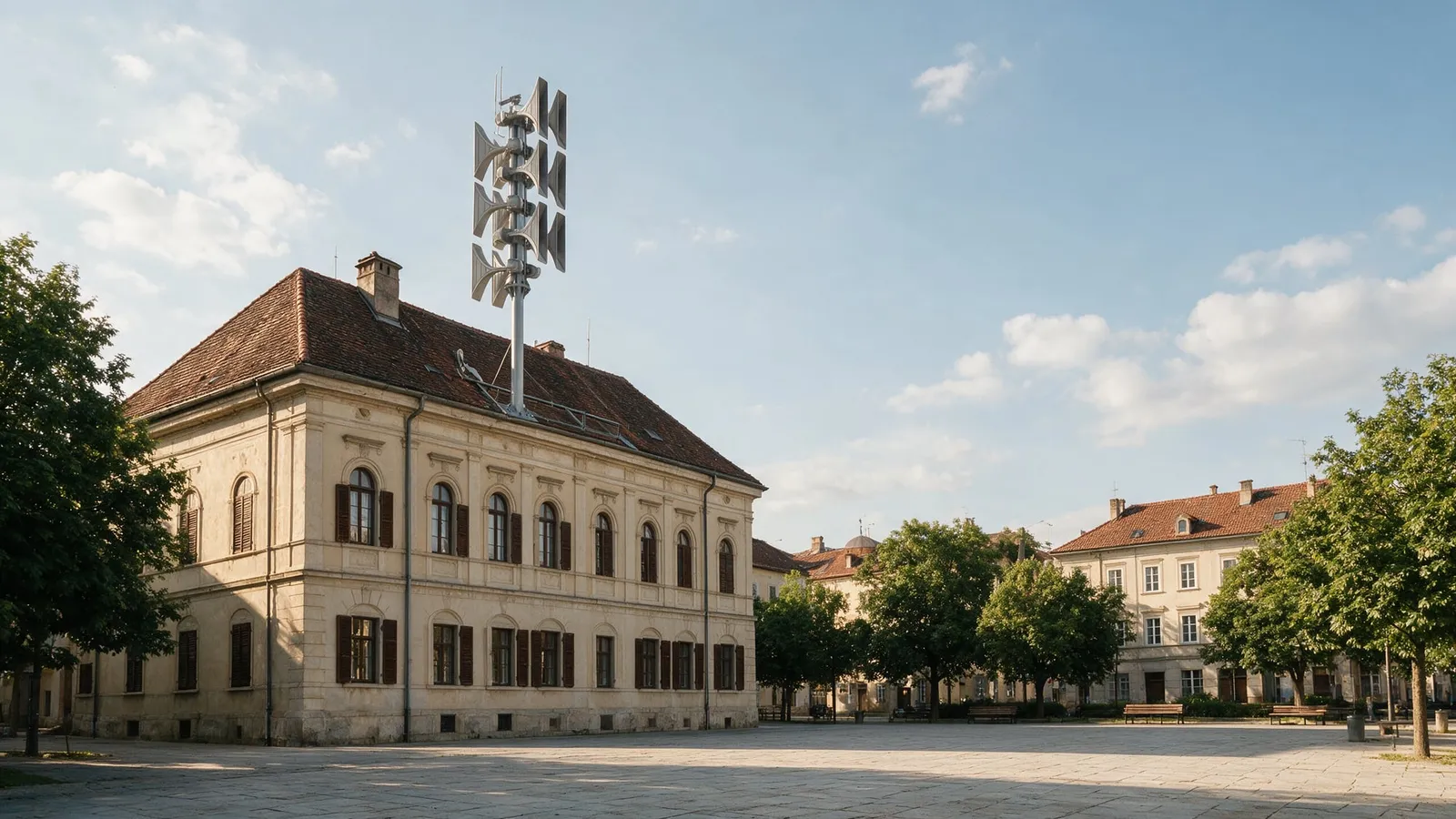
Towns and regions
Warning networks run by civil protection agencies and governments, controlled from the partner’s dispatch centre.
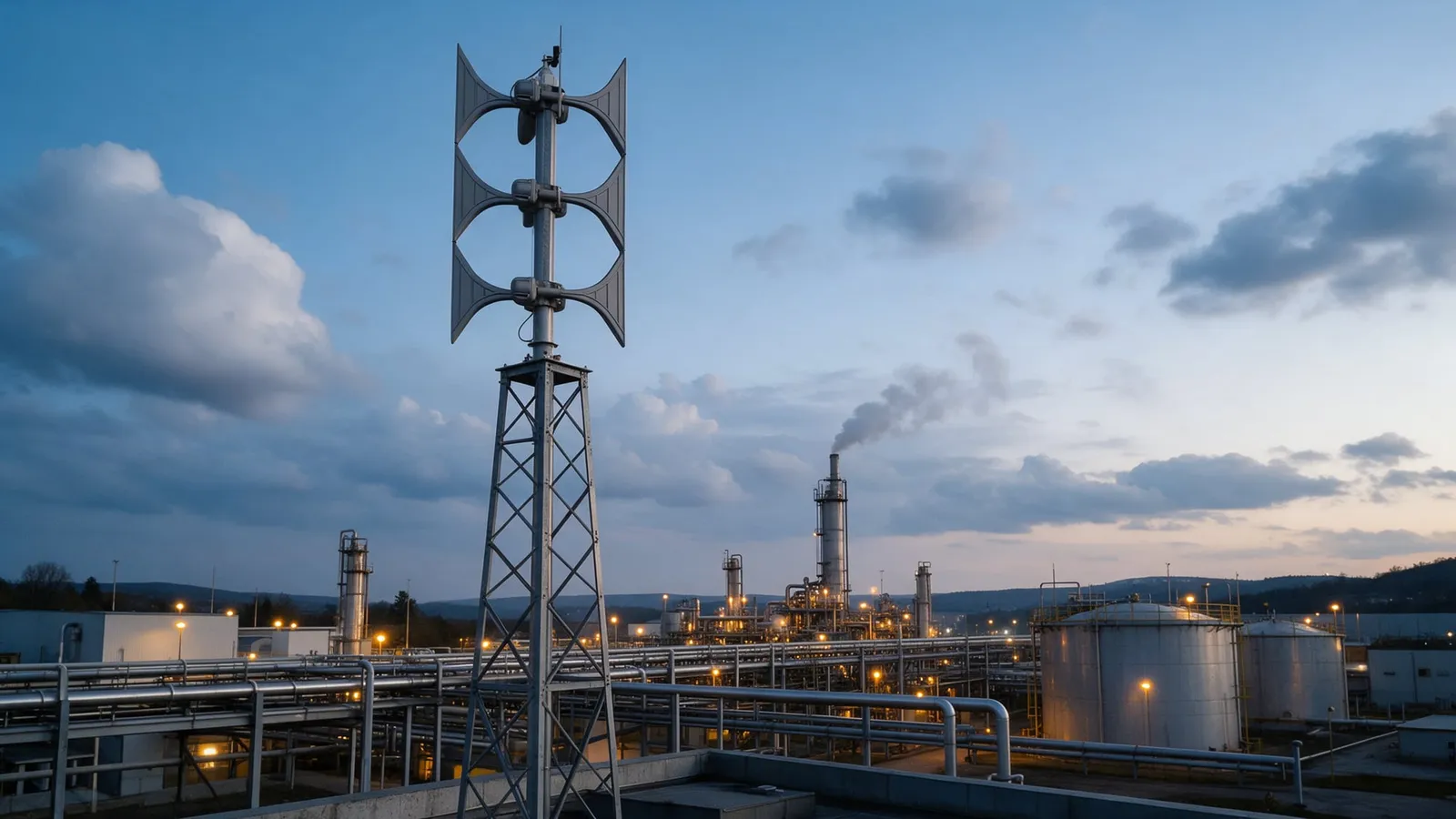
Plants and sites
Industrial operators warning workers and neighbours; a relay contact on the binary input starts the siren.
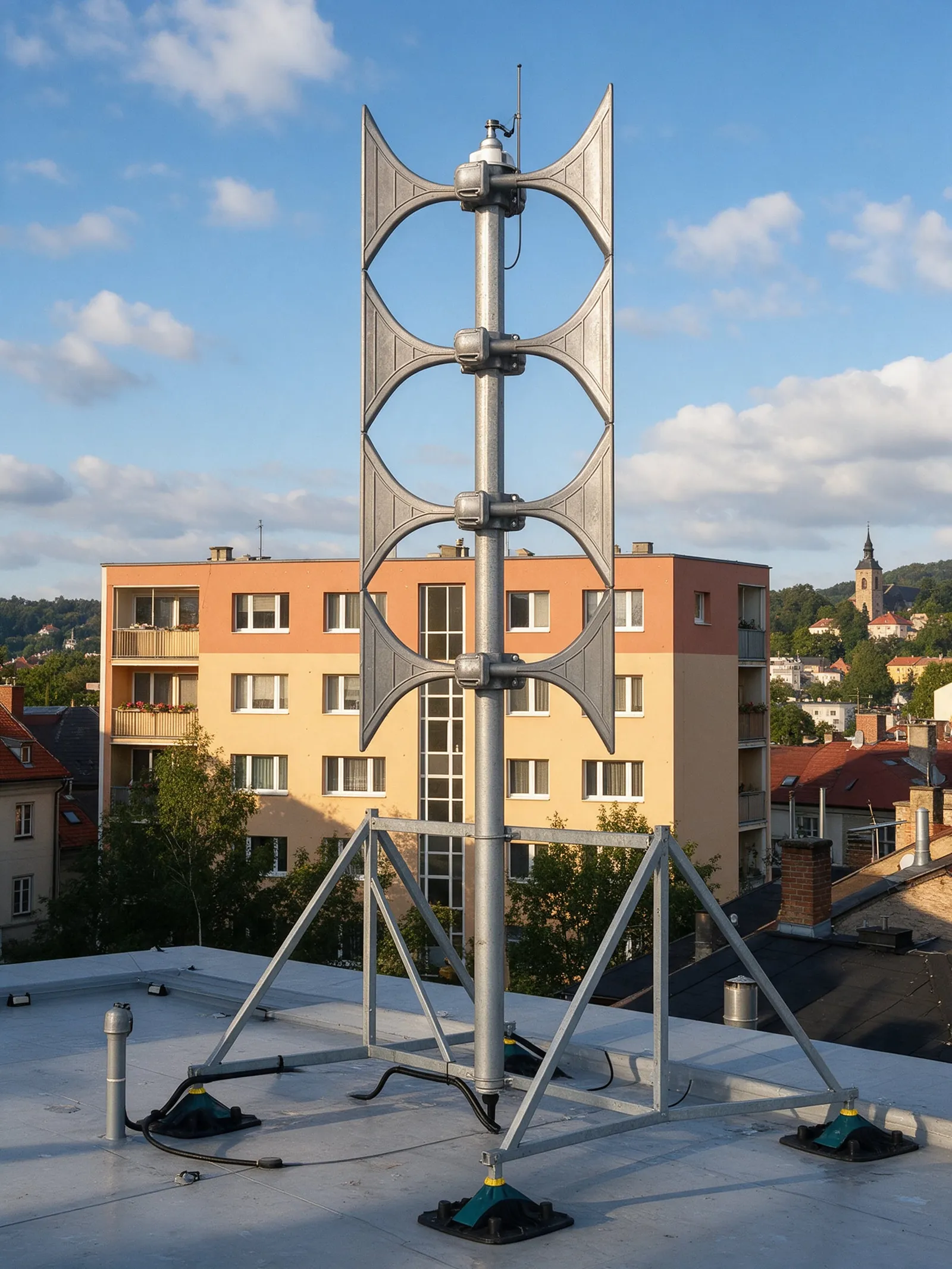
Cities
Sirens above residential districts, checked by the built-in self-test and serviced once a year by the partner.
Questions about
the references.
In which countries is eRotor installed?
Through local partners in several countries, mostly outside the EU. We do not publish the list; the one project we describe is the government flood-warning project in Malaysia.
Have the sirens been used in real events?
Yes. In Malaysia, eRotor sirens triggered by water-level sensors have warned people in the area and helped with evacuations. The project is ongoing.
Who installs and operates the sirens in a project?
The local partner. Tausec supplies the sirens, modules, documentation and know-how; the partner designs the control system, installs, certifies and services the sirens and runs them for the customer.
Can we see an installation or talk to a reference?
Installations are run by local partners and their customers, so a visit or a reference contact goes through them. Write to us with your project and we will see what the partner can arrange.
Who are your customers?
Governments, civil protection agencies, industrial operators and defence forces — always through the system integrator who delivers the project locally. The applications are natural disasters, industrial accidents and urban warning.
Where are the acoustic measurements?
On the eRotor page and in the acoustic report: 13 configurations, each measured in 24 directions.
Which certification does eRotor have, and who handles local approval?
eRotor is CE certified. Certification required by national rules in your country is arranged by the local partner, who knows the procedure and the authorities.
Your project next.
Tell us the application, the number of sirens and how they will be triggered. You will receive a recommended configuration, documentation and pricing.