01
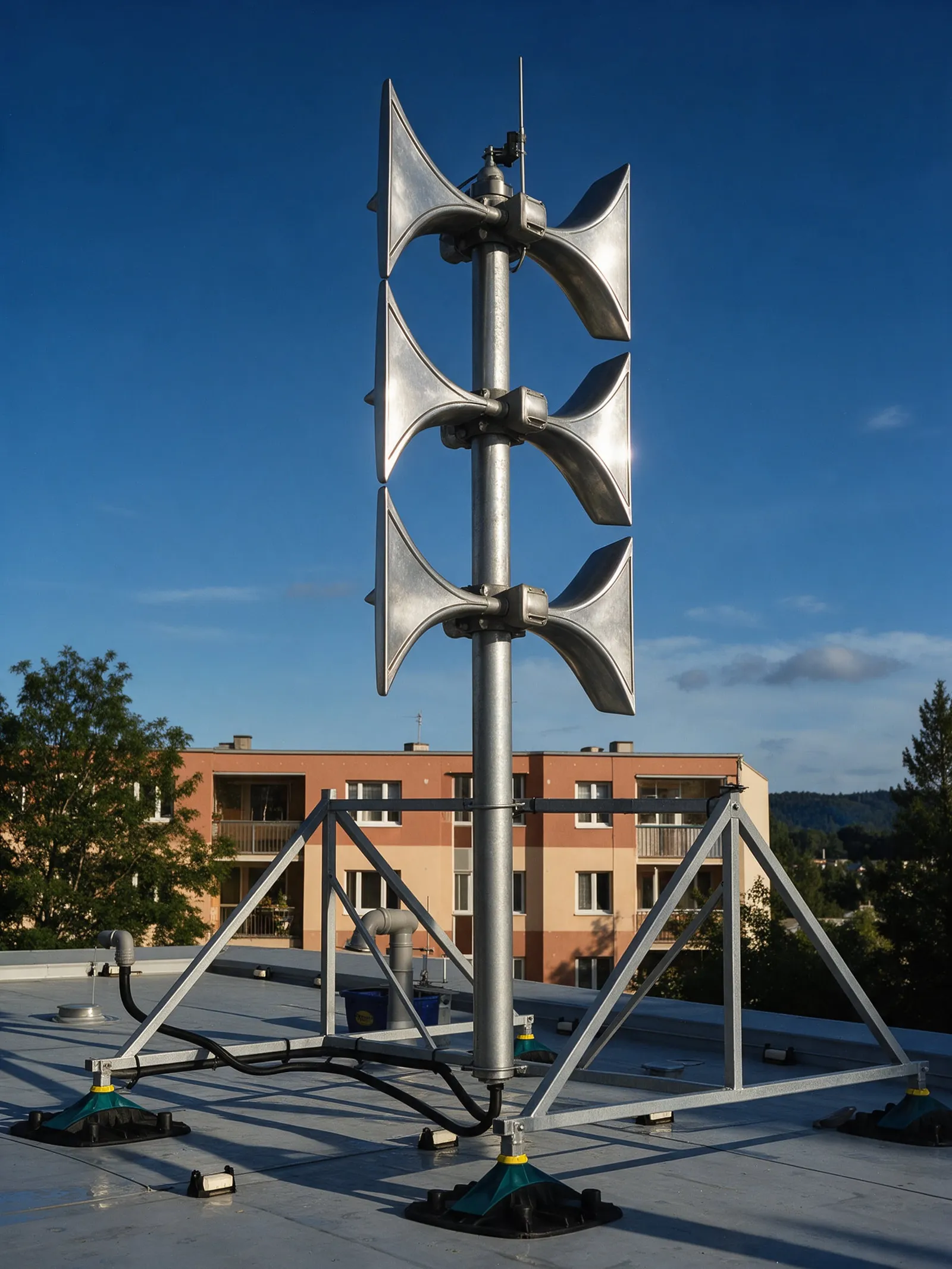
Complete eRotor
A configured siren in any of the five sizes, with installation instructions and technical support.
250–1,500 WConfiguredInstallation instructions
The same siren as a complete eRotor, as a 250 W Siren Kit to learn on, or module by module once your team knows the platform. Most new partners start with complete sirens or the Kit and move to modules later.
3 forms
complete siren, Siren Kit or individual modules — the same modules in each.
250 W
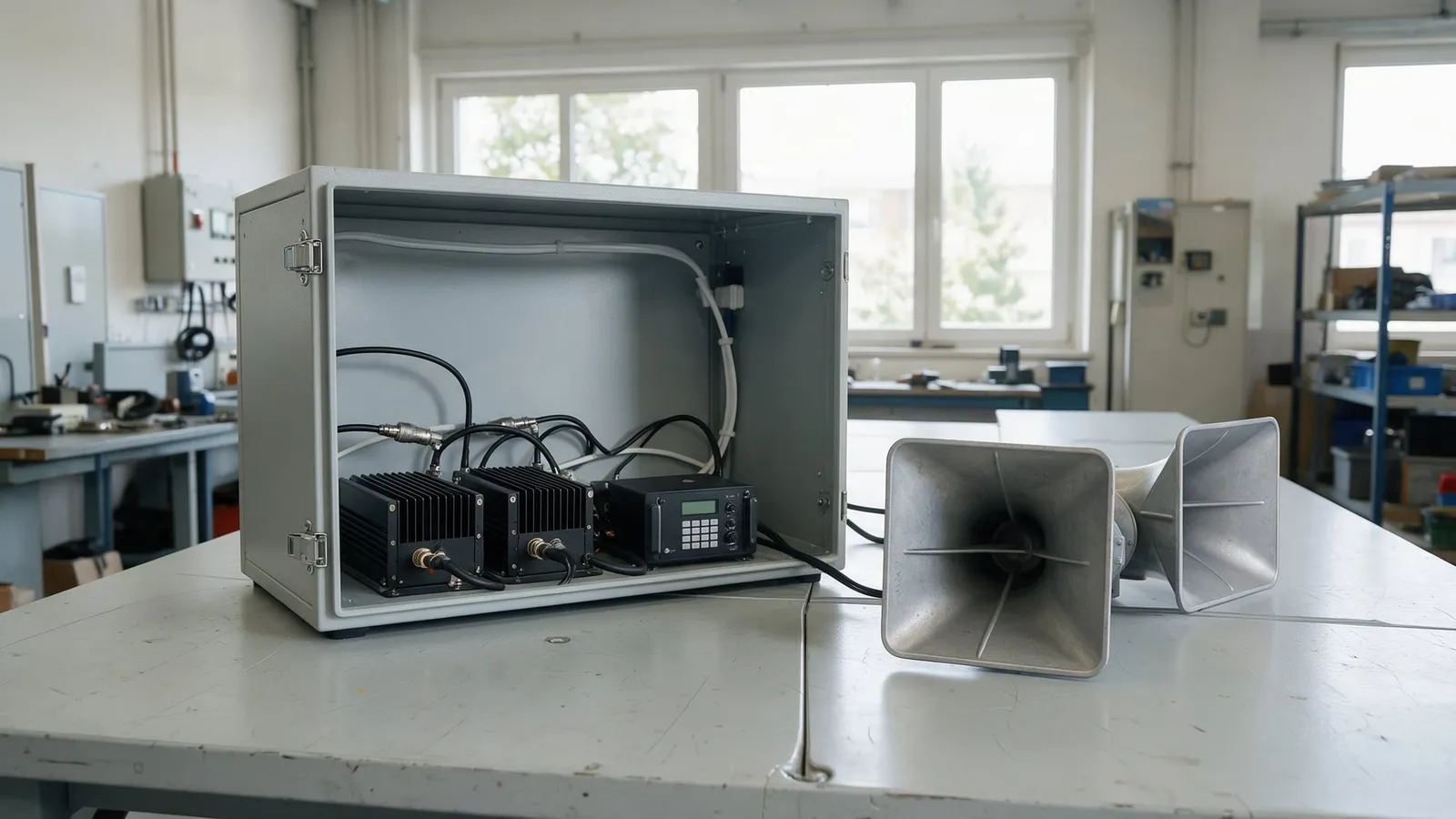
the Siren Kit: a working siren on plug connectors that your technicians learn the platform on.
≤ 4 weeks
built to order; modules in stock ship within about a week.
Pick the form that fits your team. The modules, the software and the documentation are the same in all three.
Local partners: system integrators and engineering companies who win projects by tender, direct negotiation or referral. Tausec sells only through them, not to end customers.
There are no public prices. A new partner receives a price list for complete sirens, the Siren Kit and individual modules.
Production starts after the order is clarified and paid in advance.
A configured siren in any of the five sizes, with installation instructions and technical support.
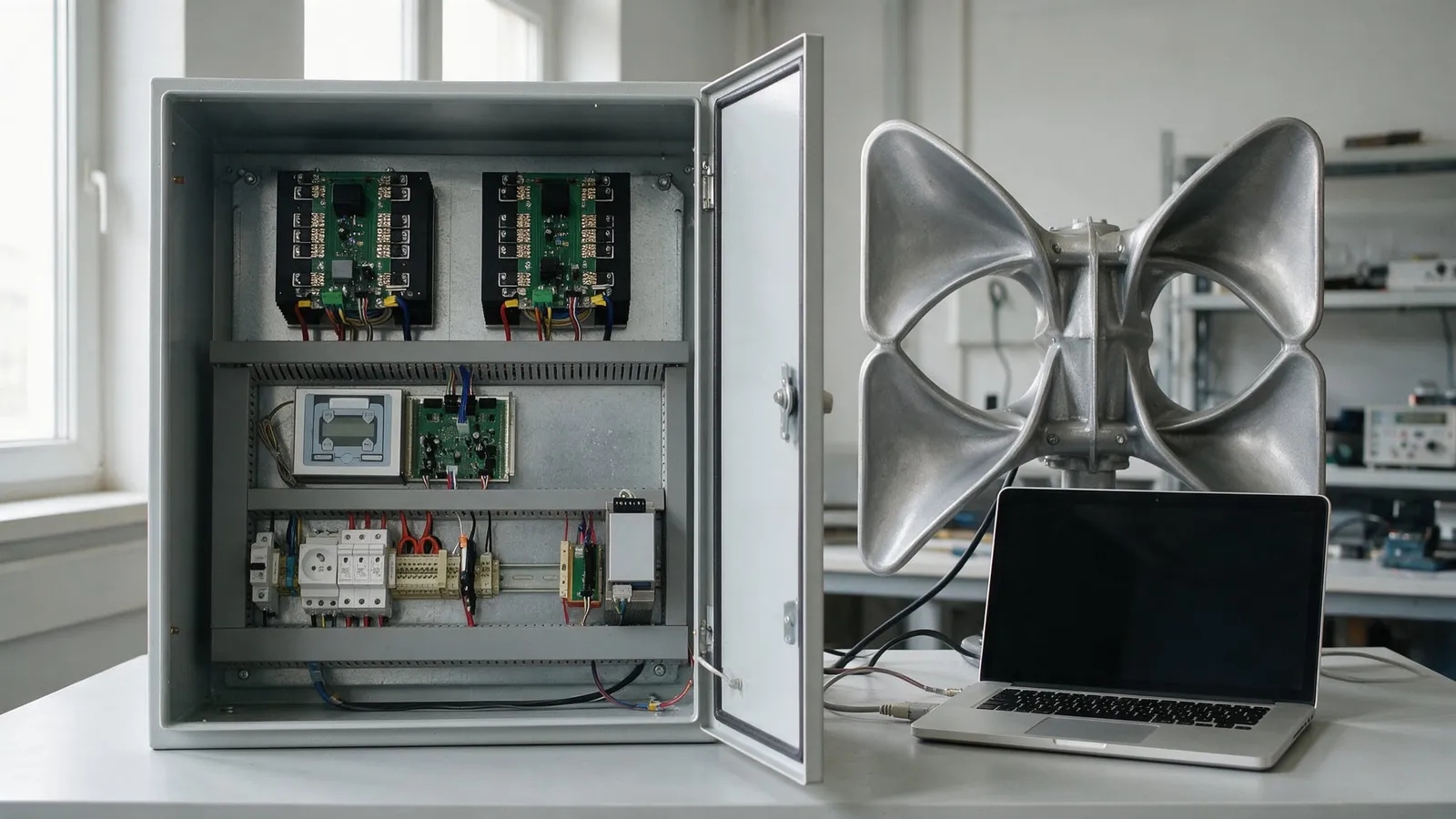
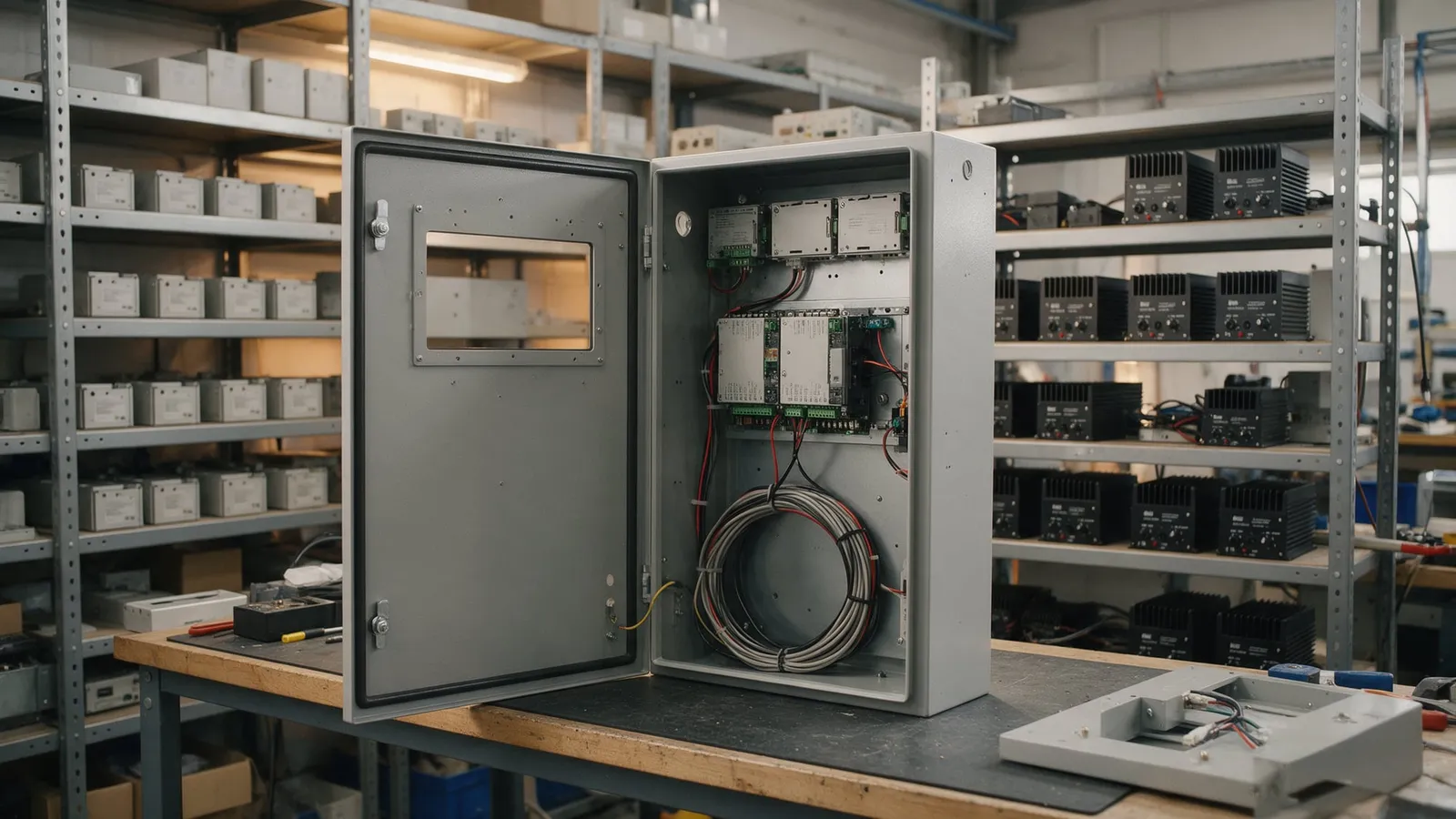
For electrical engineering and development companies: a working 250 W siren — control unit, two amplifiers, two drivers and two horns — wired with plug connectors so your technicians learn how the modules connect and construct your own siren from them. You save on the complete siren and on transport, and can sell the kit afterwards as a finished siren.
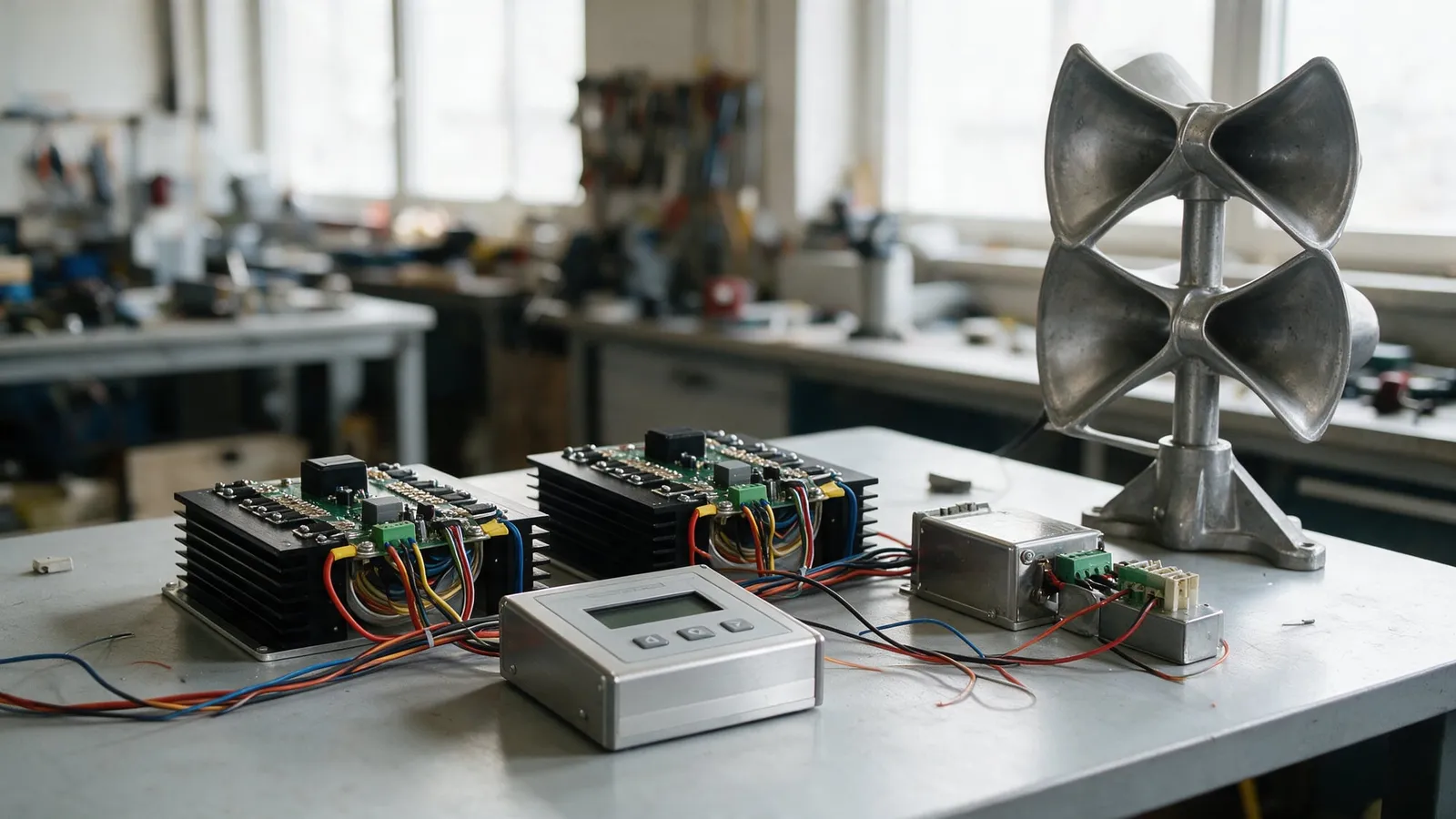
Order only the modules you need and assemble sirens in your own workshop. You offer the siren as your own solution and service it with replacement modules.
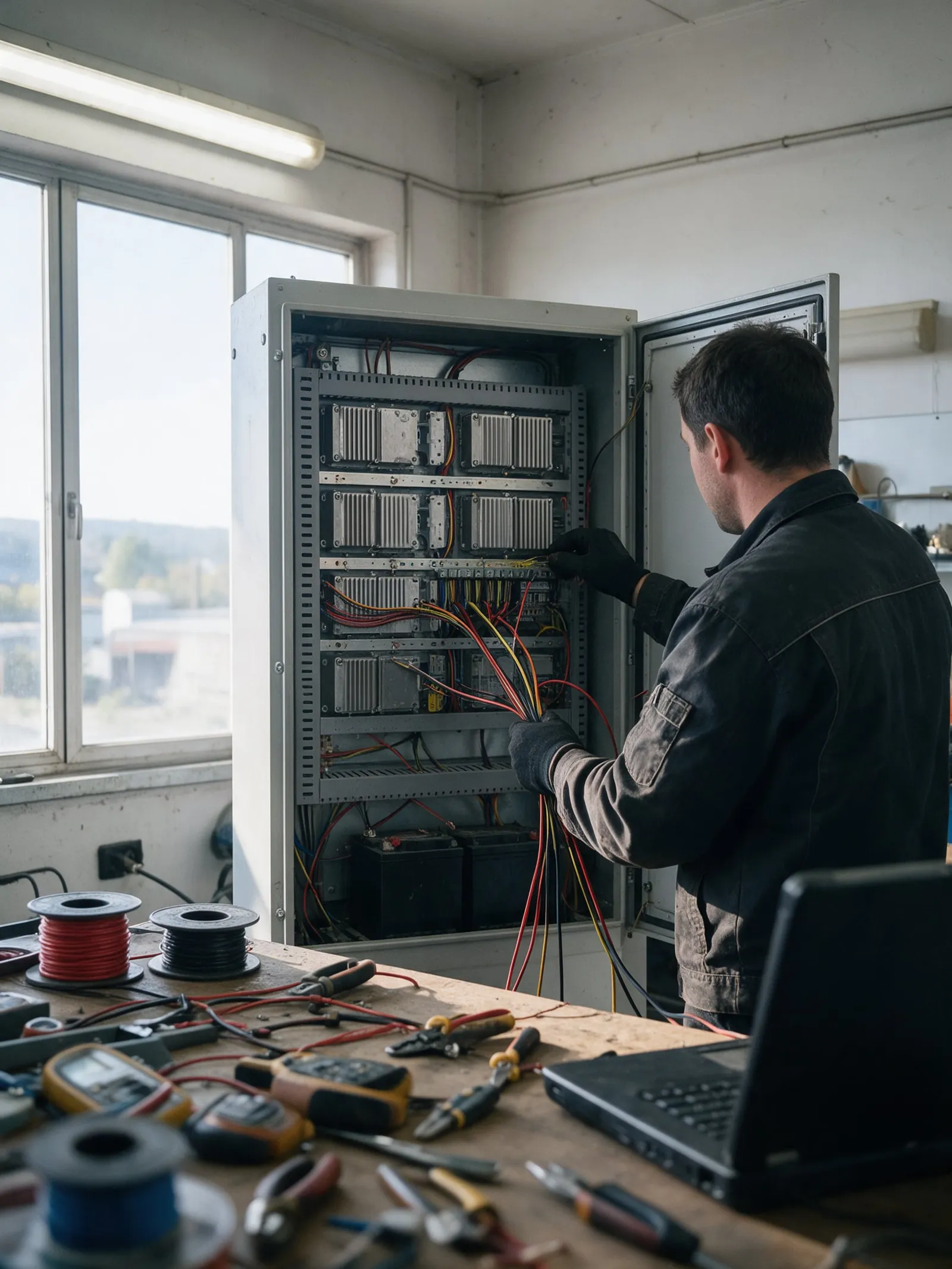
Tausec sells sirens, modules and know-how. Everything that turns them into a warning system for your customer — the control, the installation, the service — stays with you, and so does the margin.
You win the project
By tender, direct negotiation or referral in your country. You appear as the realiser of the project in front of the customer.
You keep control and margin
Your control system, your network, your installation — and sirens assembled from modules in your own workshop, offered as your own product.
You service locally
A yearly check, batteries and drivers when due. Replacement modules come from Tausec; the work and the customer relationship are yours.
Modules in stock go out within about a week, configured first; built to order takes up to four weeks. Freight depends on what you order: the cast aluminium horns are the heavy part.
Day 0
Size, quantity, interfaces and options agreed; payment starts production or picking.
≈1 week
Modules in stock are configured and shipped within about a week.
≤ 4 weeks
Complete sirens and larger module orders: built to order takes up to four weeks.
1 week – 2 months
Air freight within about a week for modules and small numbers; larger orders go by sea in one to two months.
With the first order a partner receives the material to install, configure and service the sirens alone — and after the sale, the parts and the people to keep them running.
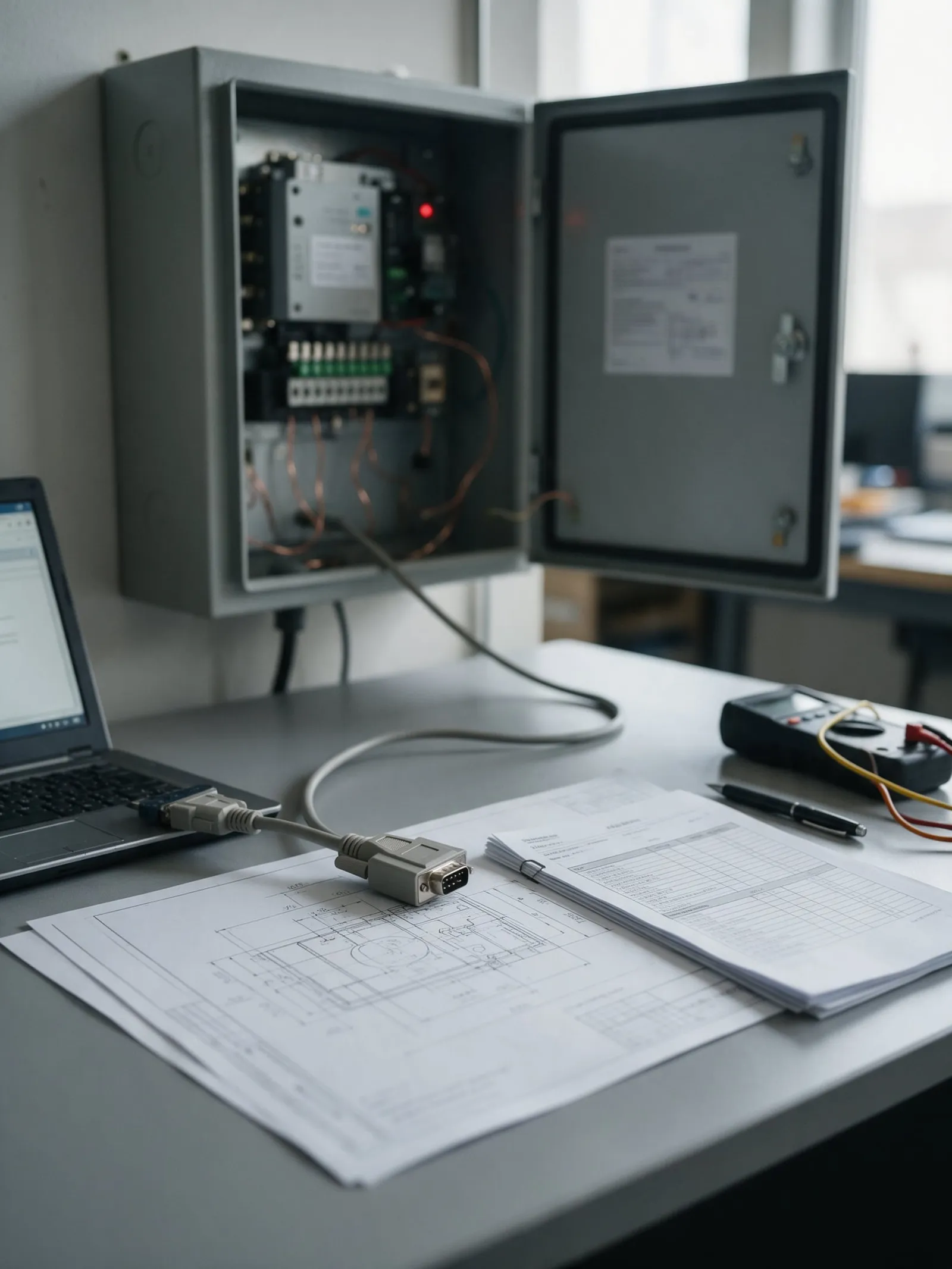
Technical documentation, installation instructions and the Windows configuration software for RS-232.
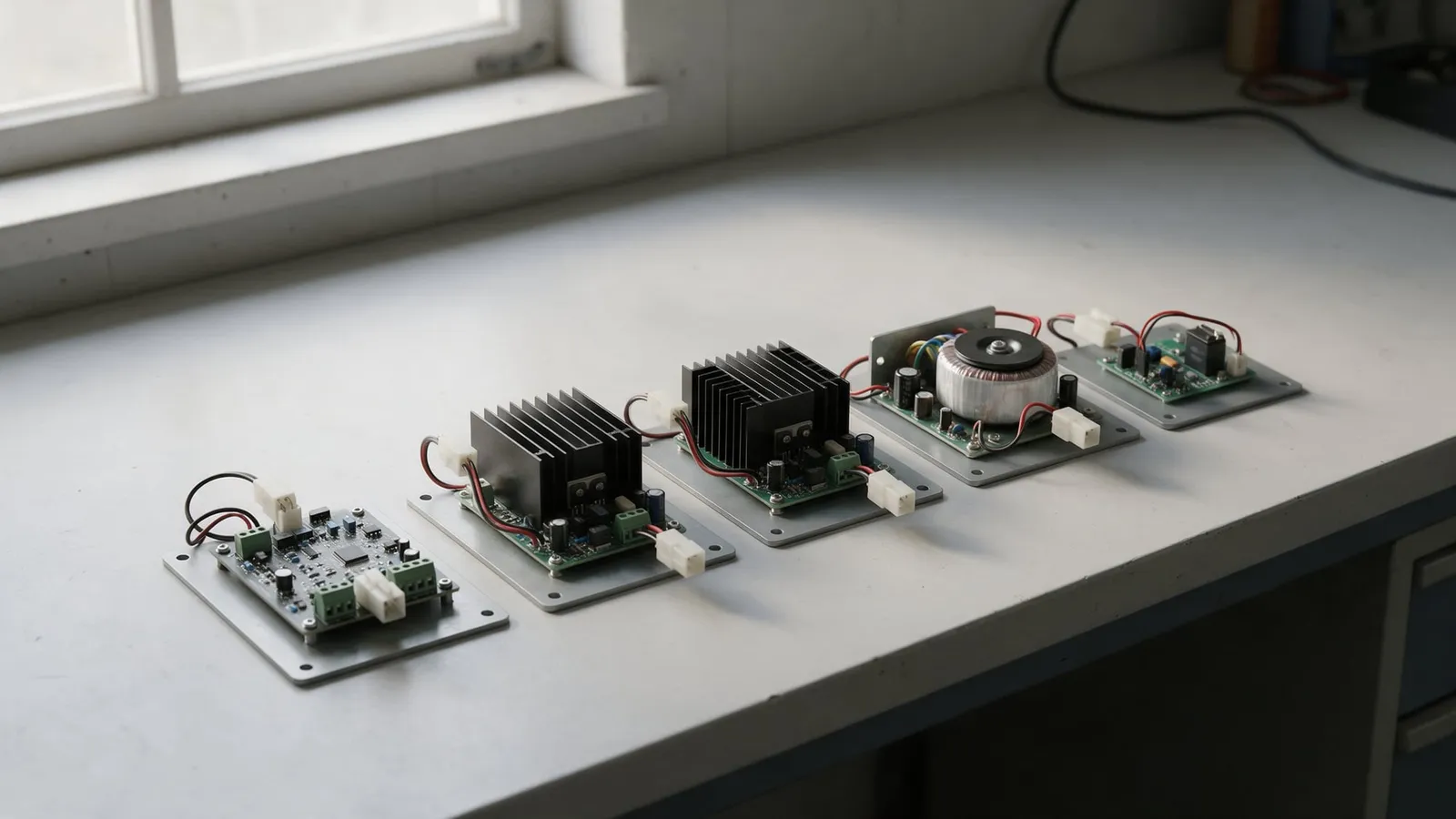
Prices for individual modules and for complete sirens, so you can compare assembling yourself with buying complete.
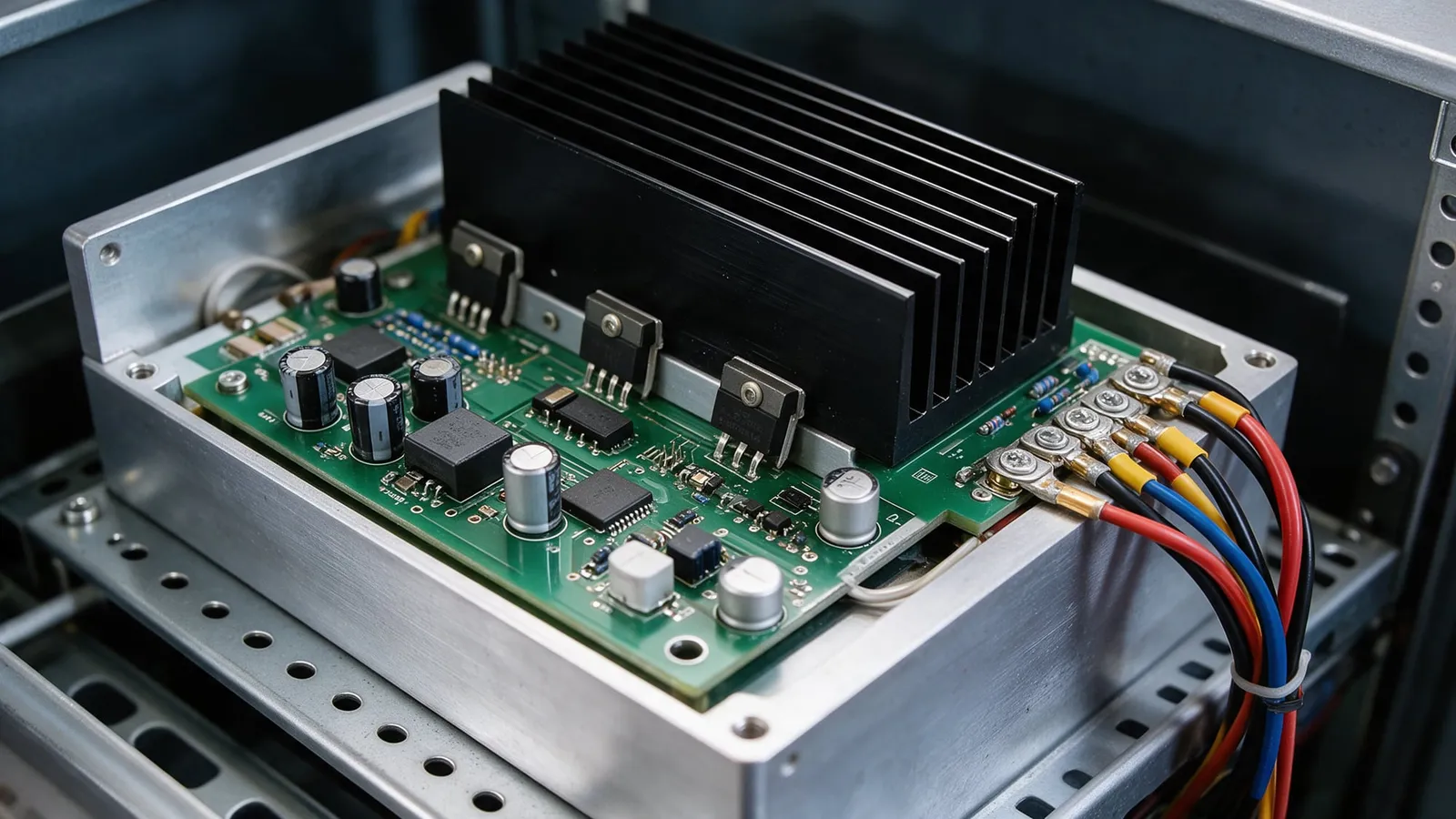
Replacement modules from stock, warranty service on modules, technical support — and development of a custom module when a project needs one.
There is no formal training course. The Siren Kit is the learning tool: a working 250 W siren on plug connectors that your technicians take apart and put together again.
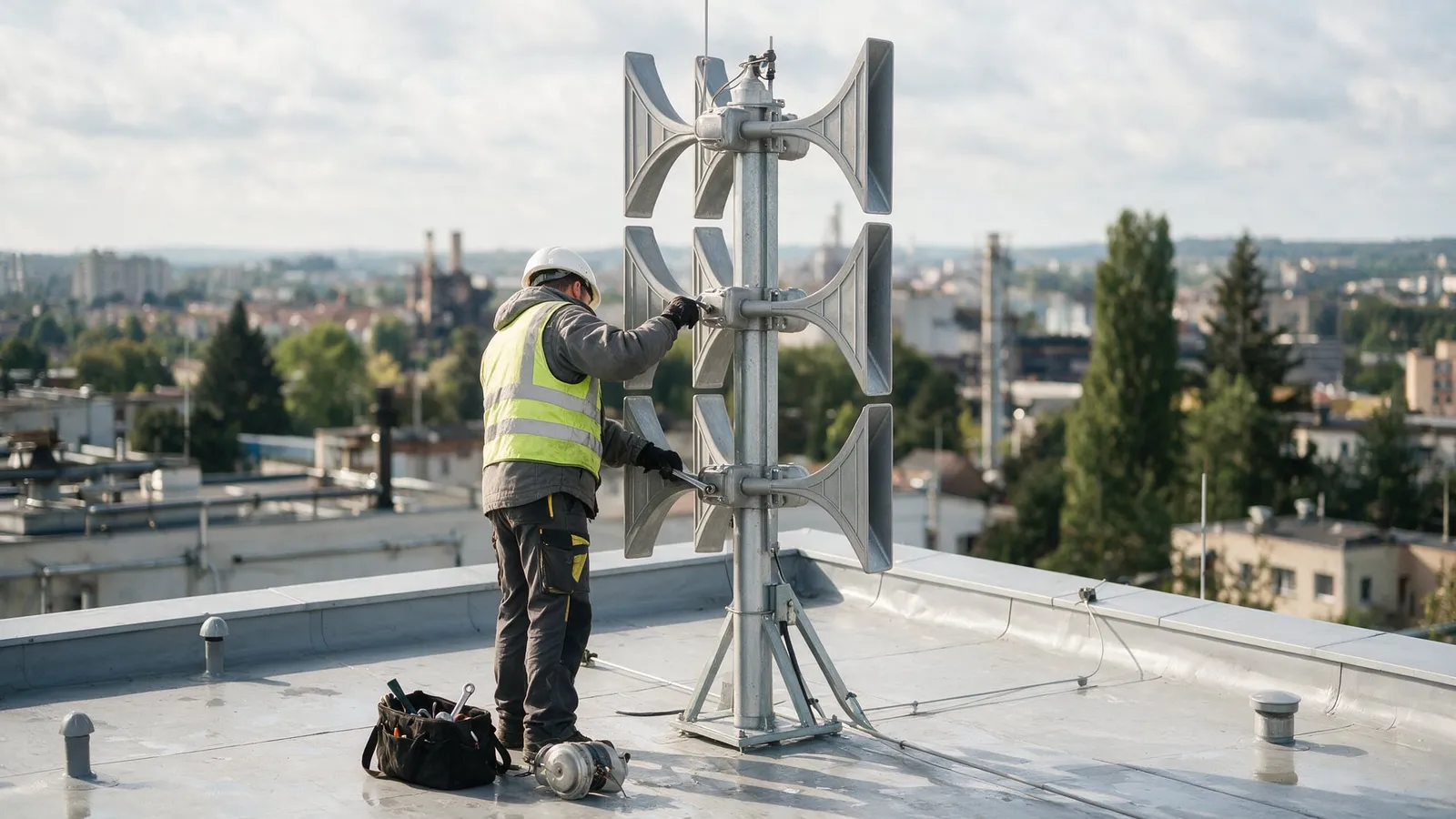
Service is done locally by the partner once a year. Two parts wear: the pressure drivers in the horns and the batteries. Everything else is replaced as a module.
Yearly
The partner checks the siren once a year; the self-test covers battery voltage, amplifiers, drivers and the door sensor between visits.
3–4 years
The two 12 V batteries are replaced every three to four years.
When worn
Pressure drivers are the most frequently replaced part; the cast aluminium horns around them last 25 years and more.
Modules
Warranty service means replacing a module, not the siren. Replacement modules ship from stock within about a week.
No. eRotor is sold only through local partners — system integrators who win projects by tender, direct negotiation or referral in their country. The partner installs, certifies and services the sirens and stays the supplier in front of the customer.
No. New partners receive a price list with prices for complete sirens, the Siren Kit and individual modules, so you can compare buying complete with assembling yourself. Write to us with the application and quantity.
A working 250 W siren: control unit, two amplifiers, two drivers and two horns, wired with plug connectors so your technicians can take the modules apart and put them together again. Afterwards you can sell it as a finished siren.
Warranty service and replacement of modules: a faulty module is replaced, not the siren. Ask for the warranty terms together with the price list.
Yes. Once your team knows the platform, you order only the modules you need, assemble sirens in your own workshop and offer them as your own solution. You keep control of the system, the service and the margin.
Modules in stock are configured and shipped within about a week. Built to order takes up to four weeks; production starts after the order is clarified and paid in advance.
Modules and small numbers of sirens go by air, about a week. Larger orders go by sea, one to two months — the cast aluminium horns are the heavy part, 27 to 165 kg per siren with drivers.
Most start with complete sirens or the Siren Kit, learn the platform on real hardware and move to modules later. Nothing obliges you to follow that sequence.
Country and type of project, number and size of sirens, and how they will be triggered. Partners usually ask about price, technical parameters and ways of working together first — we start with those three.

Tell us the application, the quantity and which form fits your team. You will receive the price list and documentation.