Sirens built
as modules.
Tausec s.r.o. designs and builds the eRotor electronic siren in the European Union: own amplifiers, control unit and power supplies, sold as a complete siren or as the modules that partners build their own systems from.
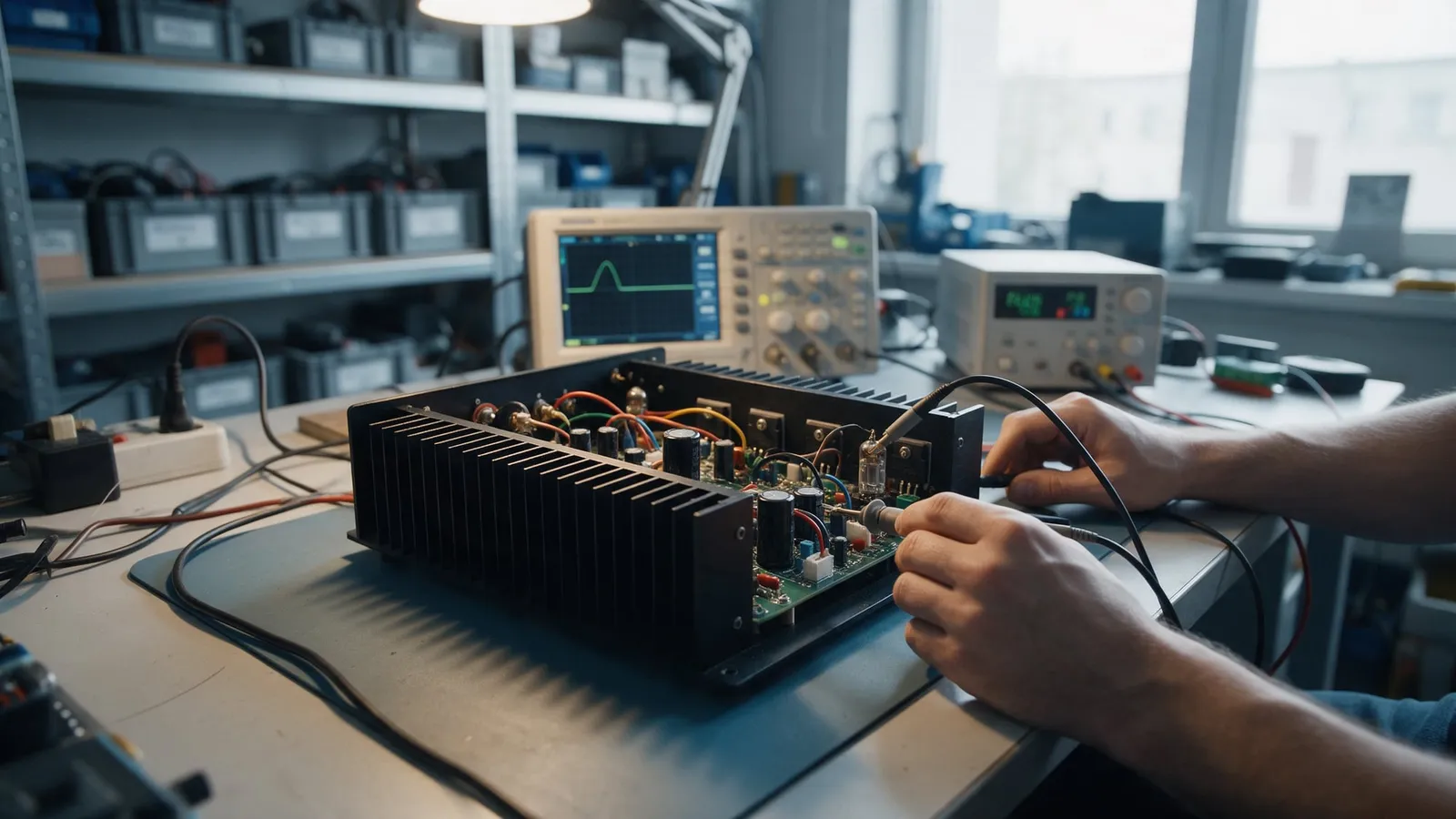
Since 2007
electronic sirens developed and built in the EU.
EU
developed and built in the European Union; CE certified.
1 platform
one siren, eRotor, in five sizes and three forms.
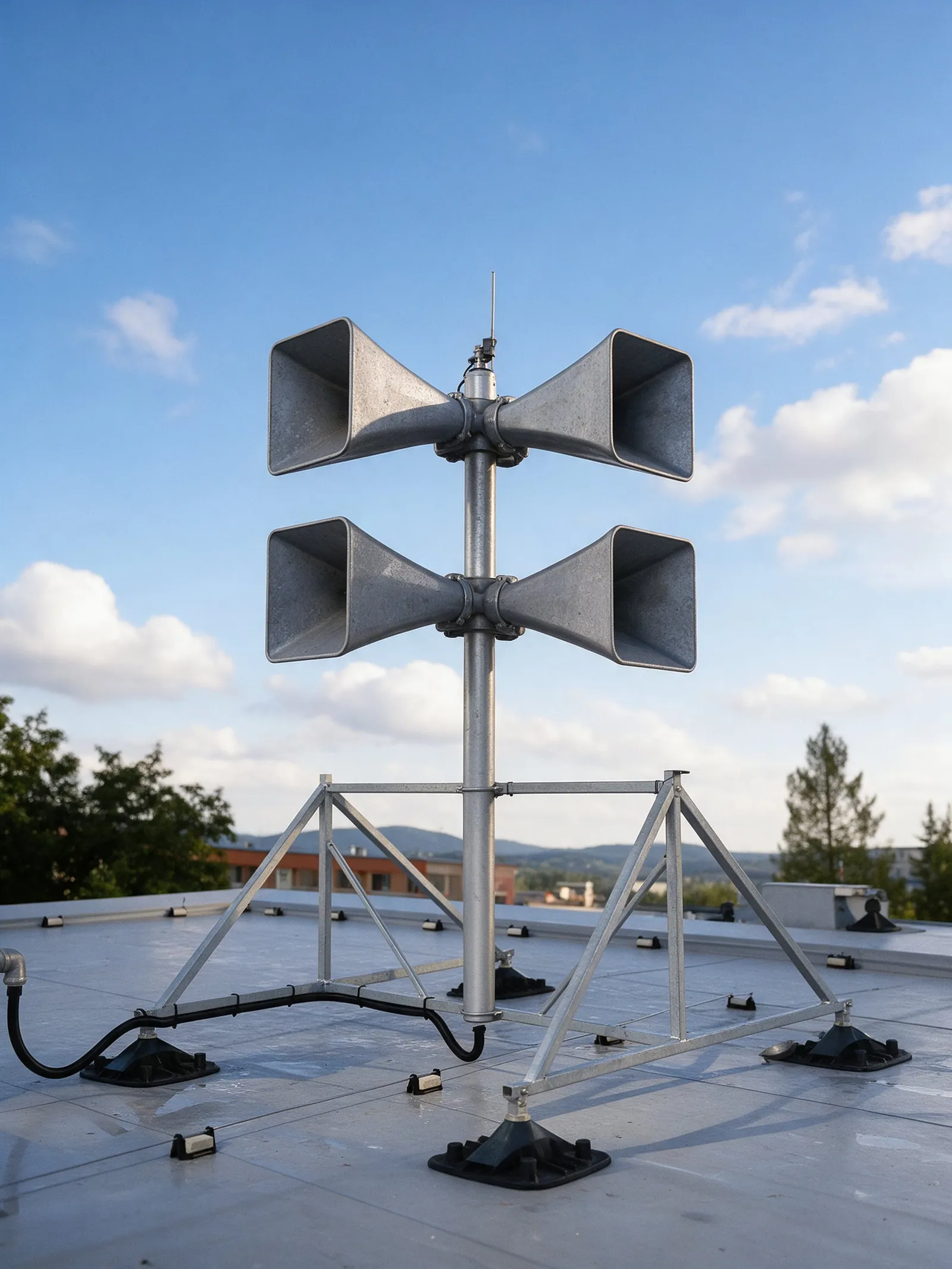
A technological idea,
sold as modules.
Tausec began with two decisions that still define the company: build a siren with better acoustics, and sell it as modules so that partners can assemble, service and own their systems.
Better acoustics
115 dB(A) at 30 m from 500 W
A signal processor, a separated power supply and thick cast aluminium horns give a 500 W siren the level of a common 1,200 W one — the datasheet comparison; certified comparative measurements show 2–3 dB(A) more than comparable sirens.
A siren sold as modules
Buy modules, build your own solution
Control unit, power supply, amplifiers, charger and horns are separate modules. A partner buys a complete siren, a kit or the modules, and services by replacing a module instead of the siren.
The name
An electronic rotor
eRotor was designed as an economically acceptable replacement for old high-power motor-driven rotating sirens. It is the one model Tausec makes, in five sizes.
Design, build,
support.
Development, production and partner support in one place.
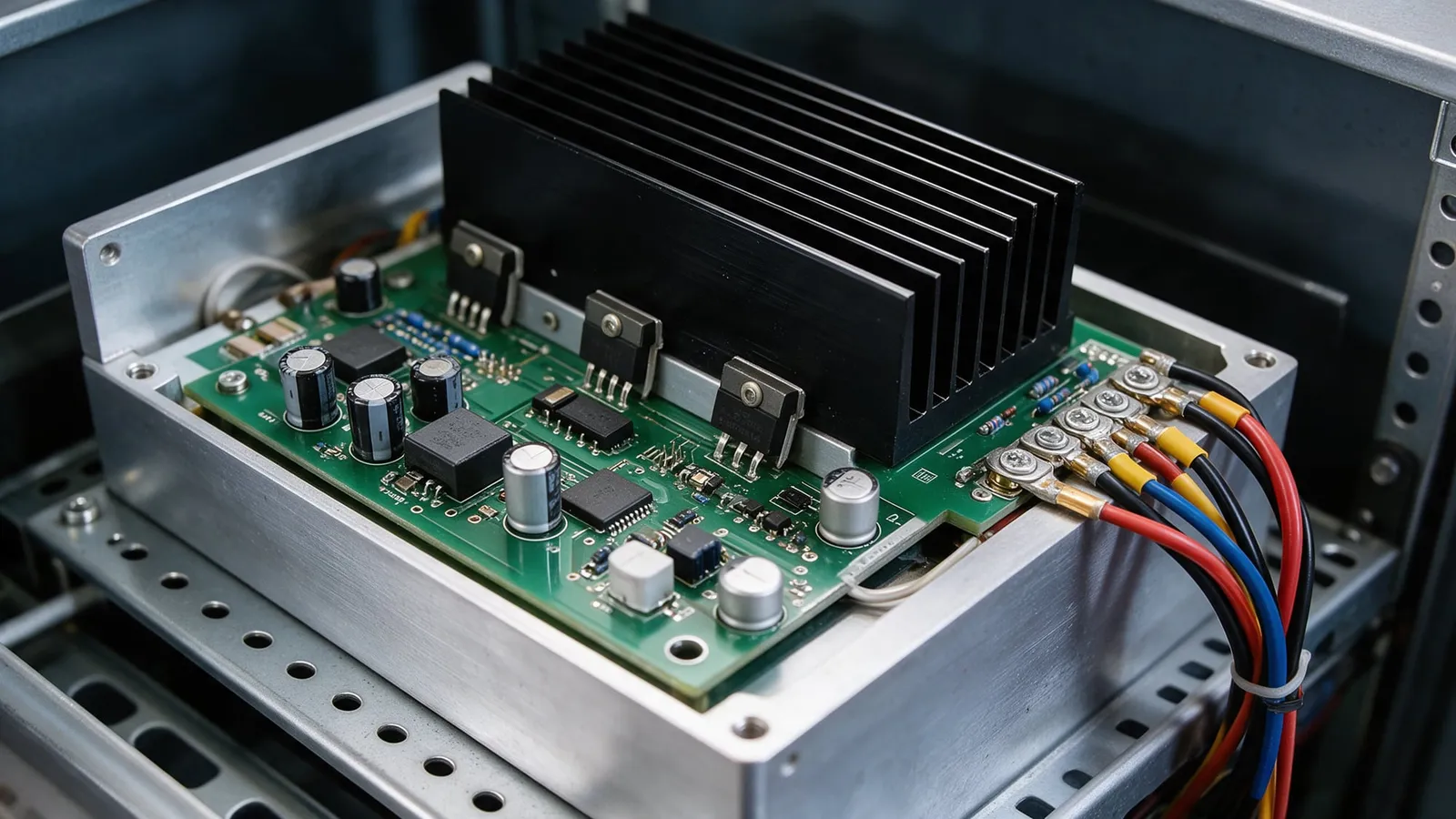
Electronics and software
Control unit, amplifiers, power supplies
The control unit, the class B amplifiers, the power supplies and the Windows configuration software are designed here — and so is a custom module when a project needs one, as in 2024.
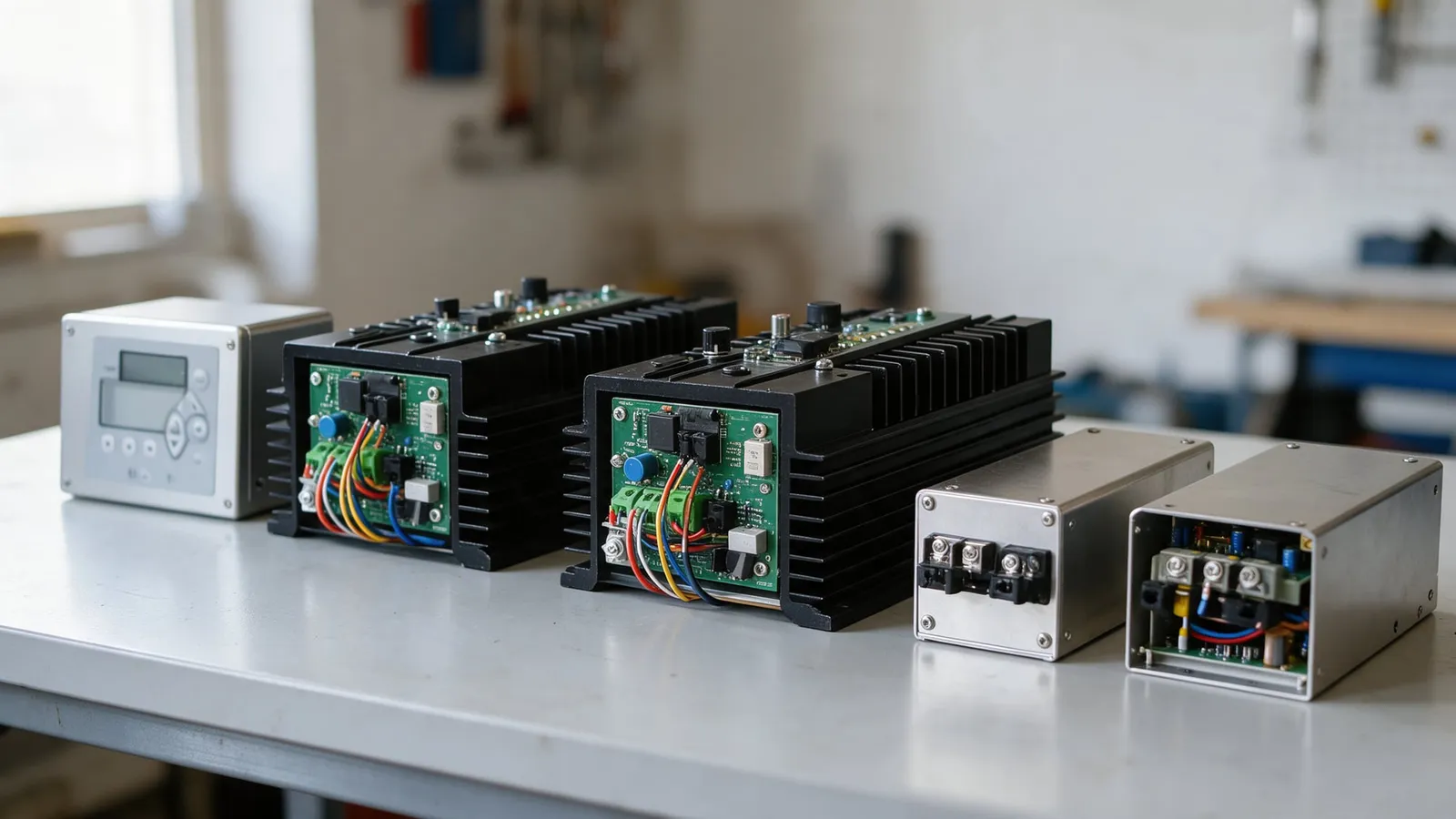
Modules and complete sirens
Built and tested in-house
Amplifiers, control units and power supplies are built and tested in-house; complete sirens are assembled and configured before they ship.
Local partners
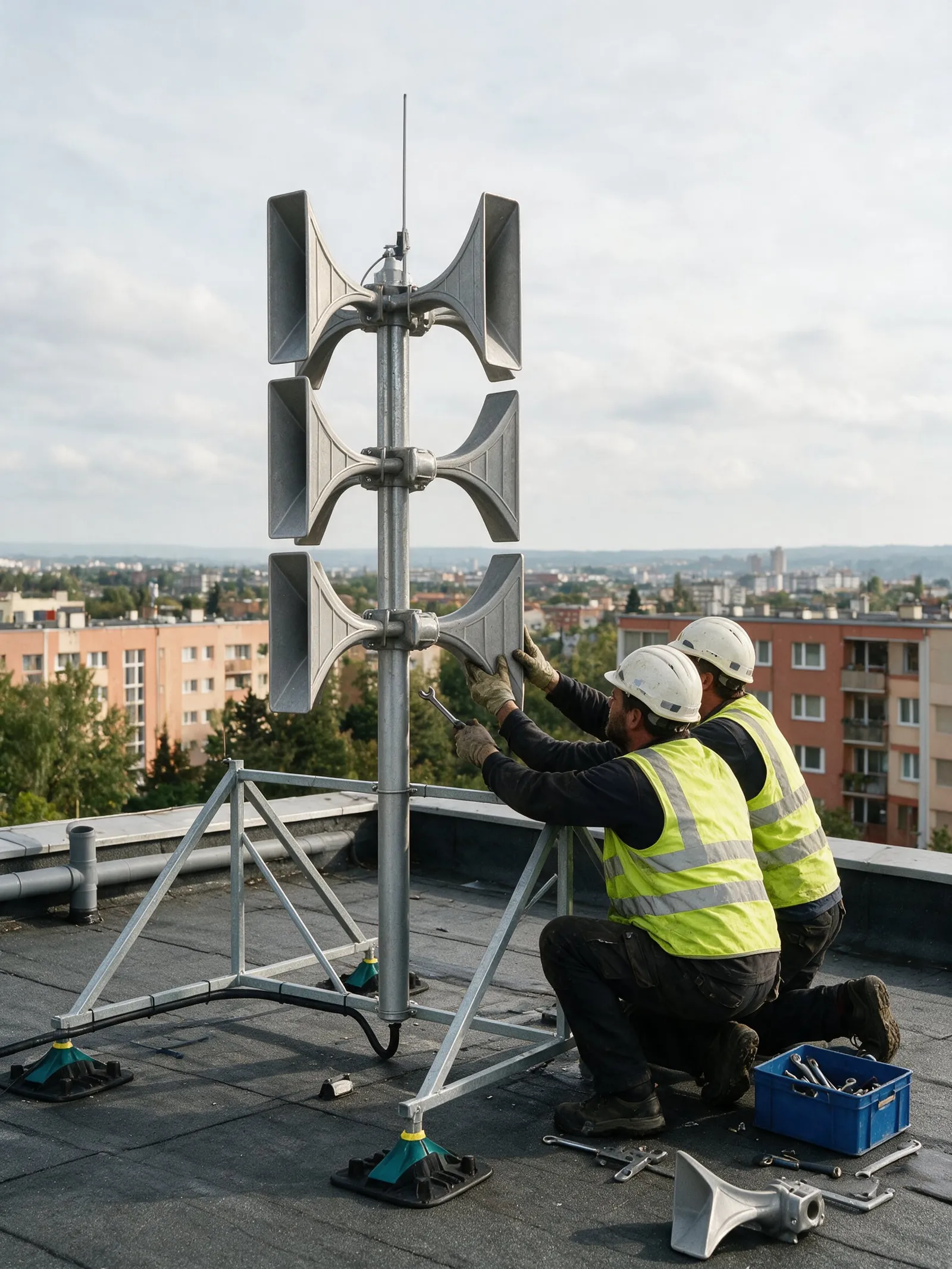
The integrators who install and service
Partners get documentation, software and answers from the people who designed the siren, and replacement modules after the sale.
Made in the EU.
Built in-house.
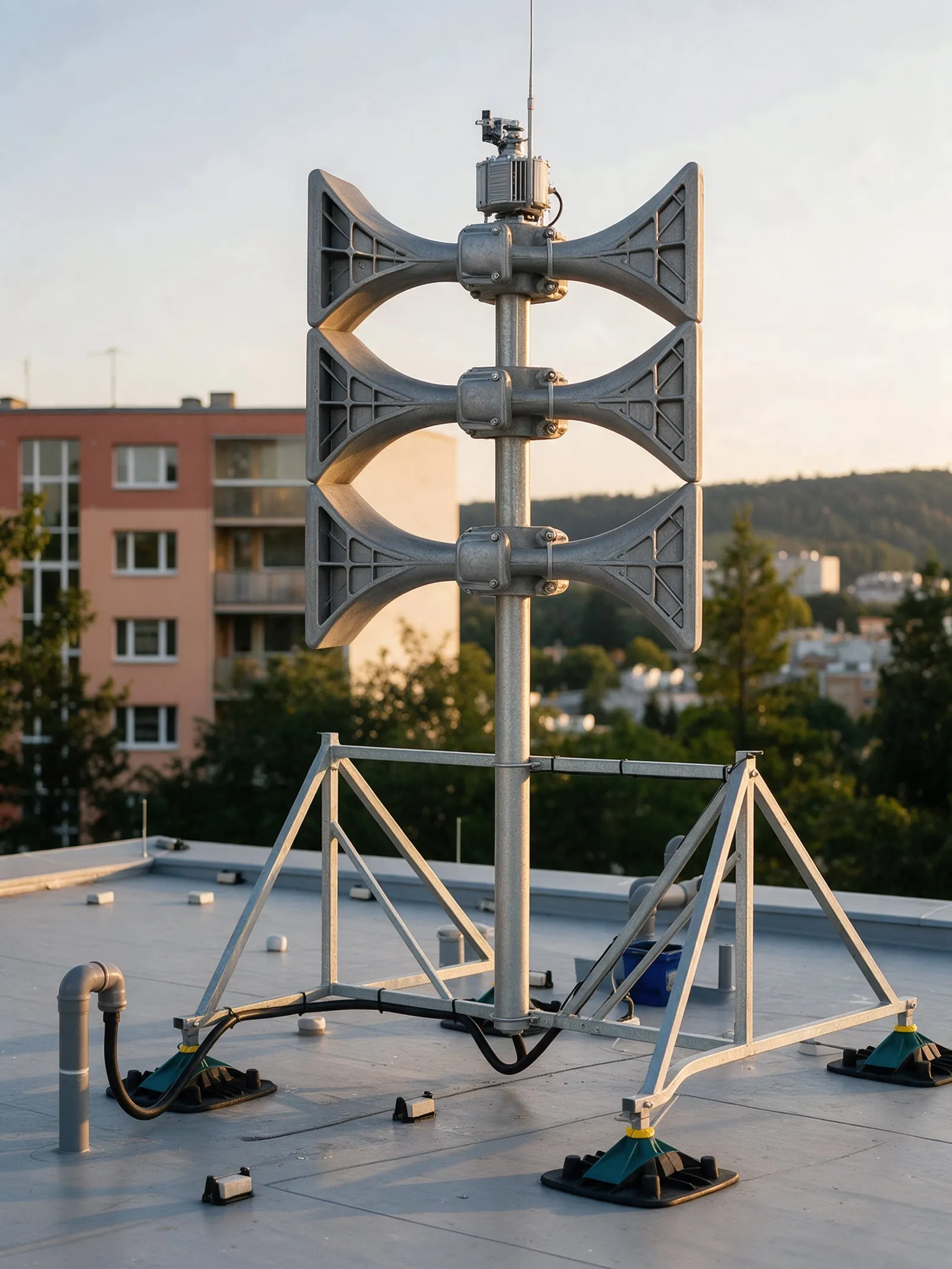
The parts that decide how the siren sounds and how long it lasts come from Tausec or from an EU foundry. The rest is bought in.
Own electronics
Amplifiers, control unit and power supplies — the modules that define the siren.
Aluminium horns
Cast aluminium alloy horns that do not rust or degrade — 25 years and more in service.
Drivers and components
Pressure drivers and common electronic components are bought in.
Four things partners
can count on.
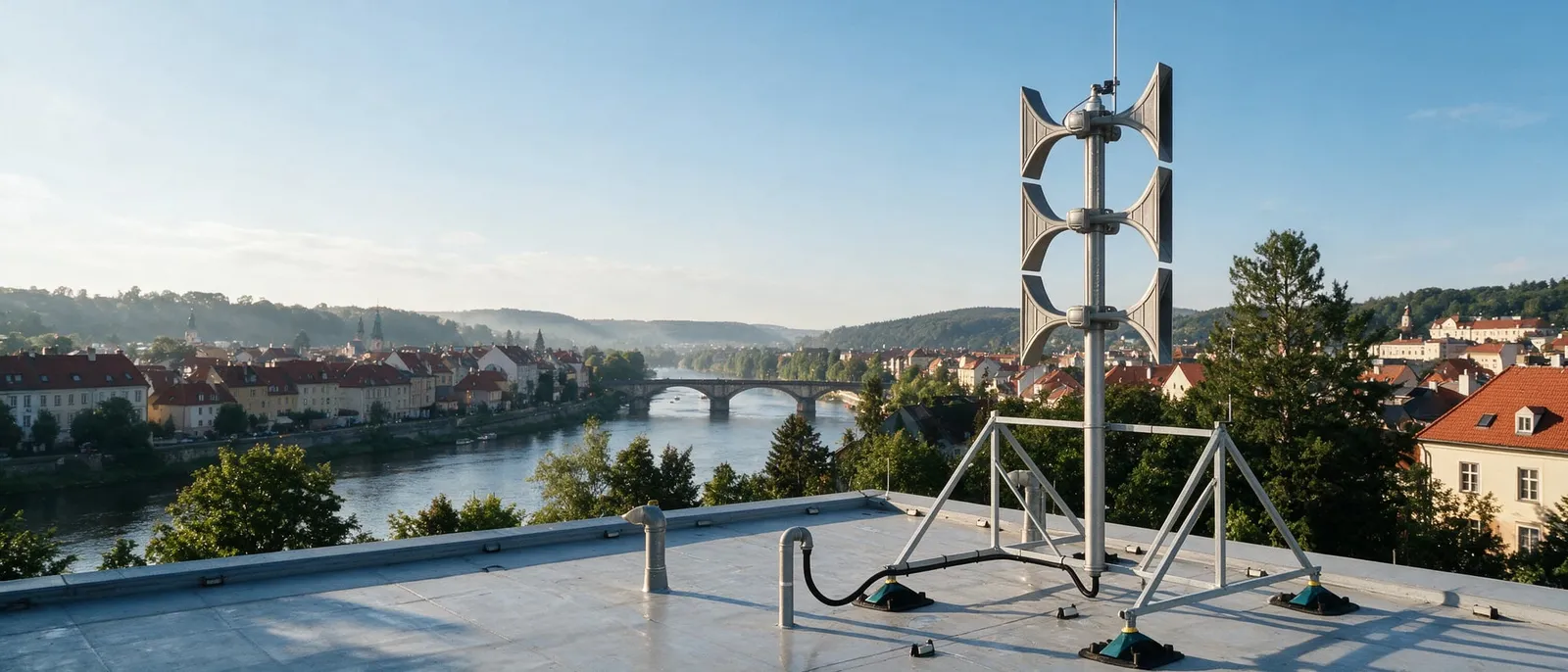
Our mission: to provide cost-effective, modular and powerful electronic warning systems to customers around the globe.
Reliability
Built for the day the grid fails
Class B amplifiers with thermal protection, batteries as the only power source during an alarm, a self-test that reports faults before they matter.
Maturity
Technological maturity
Electronic sirens since 2007; electronics designed and built by the people who answer your questions.
Flexibility
The project decides
Complete siren, kit or modules; binary input, RS-232, CAN, radio, GSM or IP via converter — the project decides, not the manufacturer.
Value
Value for money
A 500 W eRotor does the work of a common 1,200 W siren: fewer horns, a smaller mast, smaller batteries, lower transport and installation costs.
From 2007 to today.
A short history, in the few facts that matter to a partner.

2007
Electronic sirens
Tausec develops and builds electronic sirens in the EU — amplifiers, control unit and power supplies of its own design.
Ongoing
Malaysia, ≈250 sirens
A government flood-warning project grows to about 250 eRotor sirens triggered by water-level sensors.
2024
A custom module
A new module for semi-automated measurement and triggering of sirens, developed for a customer’s project.
Questions about
the company.
Who is Tausec?
A siren manufacturer in the European Union. Tausec designs and builds the eRotor electronic siren — amplifiers, control unit and power supplies of its own design — and supplies it to system integrators as a complete siren, a kit or modules.
Where are the sirens made?
The electronics — amplifiers, control unit and power supplies — are designed and built by Tausec in the EU. The cast aluminium horns come from an EU foundry; drivers and standard components are sourced outside the EU.
Do you make everything yourselves?
The parts that decide how the siren sounds and how long it lasts, yes: amplifiers, control unit and power supplies are Tausec’s own design and production. Horns are cast for us, drivers and standard components are bought in.
Do you make other sirens than eRotor?
eRotor is the one model, in five sizes from 250 to 1,500 W and three forms — complete siren, Siren Kit and modules. Custom modules are developed when a project needs one, such as the 2024 module for semi-automated measurement and triggering.
Do you sell to end customers?
No. eRotor is sold only through local partners — system integrators who win projects by tender, direct negotiation or referral in their country. The partner installs, certifies and services the sirens and stays the supplier in front of the customer.
Who should contact Tausec?
System integrators and engineering companies building warning systems, and civil-protection bodies or industrial operators planning a project with a local partner. End customers are served through partners.

Talk to the people
who build the siren.
Partnership, a project or a technical question — the people who design and build eRotor answer all three.